

Groundwork builds trust through clear cues: practice yielding the hindquarters, backing softly, leading with stop-and-go transitions, and respectful personal space-rewarding calm focus to reinforce safe, willing partnership.
Month: March 2026
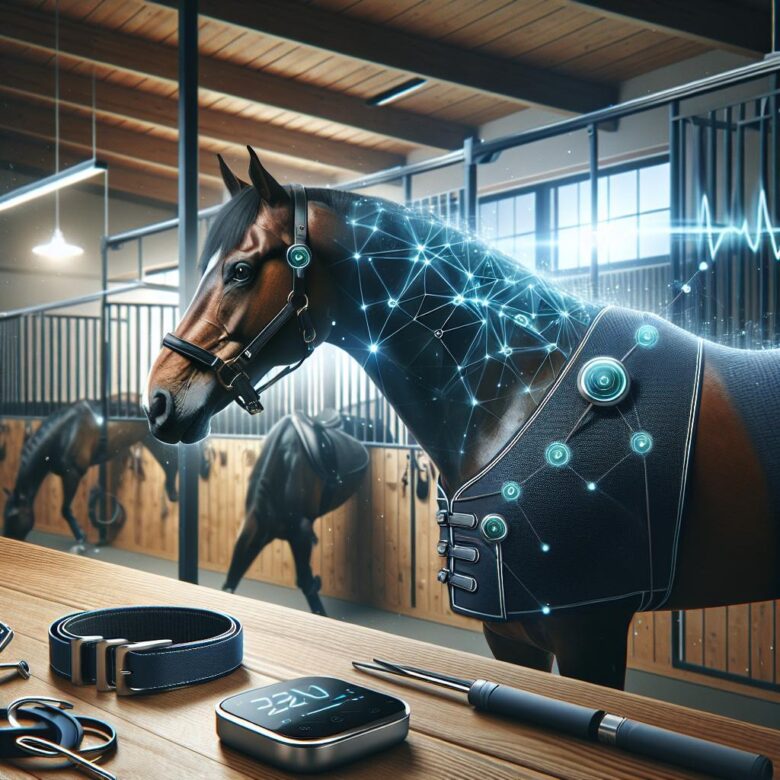
Equine wearables track heart rate, stride symmetry, and recovery in real time, turning training data into actionable insights to prevent overwork, optimize conditioning, and support long-term soundness.
Quality equine insurance helps protect against unexpected veterinary costs, mortality loss, and liability claims-preserving your horse’s welfare and your financial stability when emergencies strike.
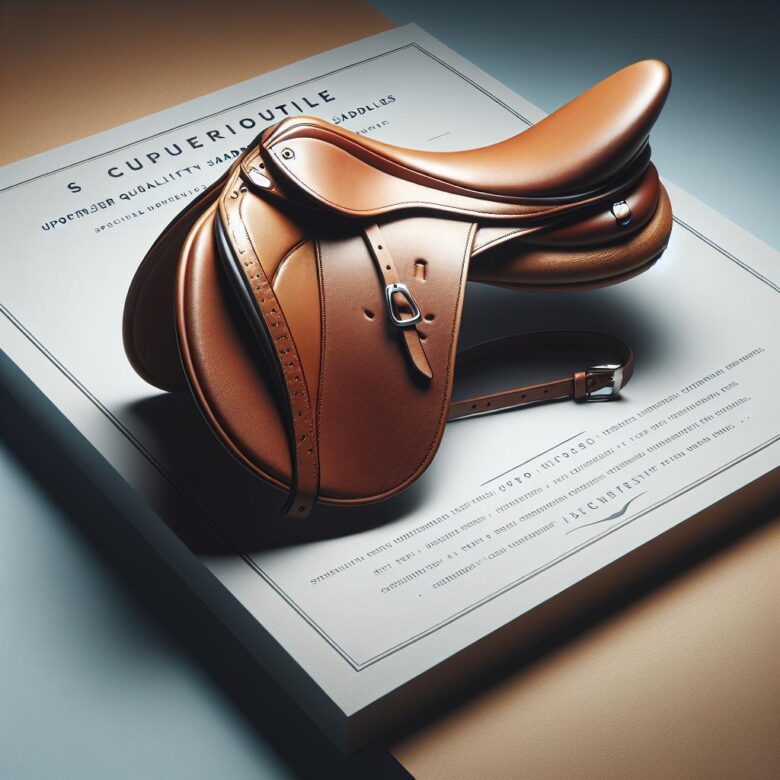
Best leather dressage saddles balance deep seats, supportive blocks, and supple panels to enhance rider alignment and horse comfort-prioritizing fit, quality hides, and adjustable gullet systems.
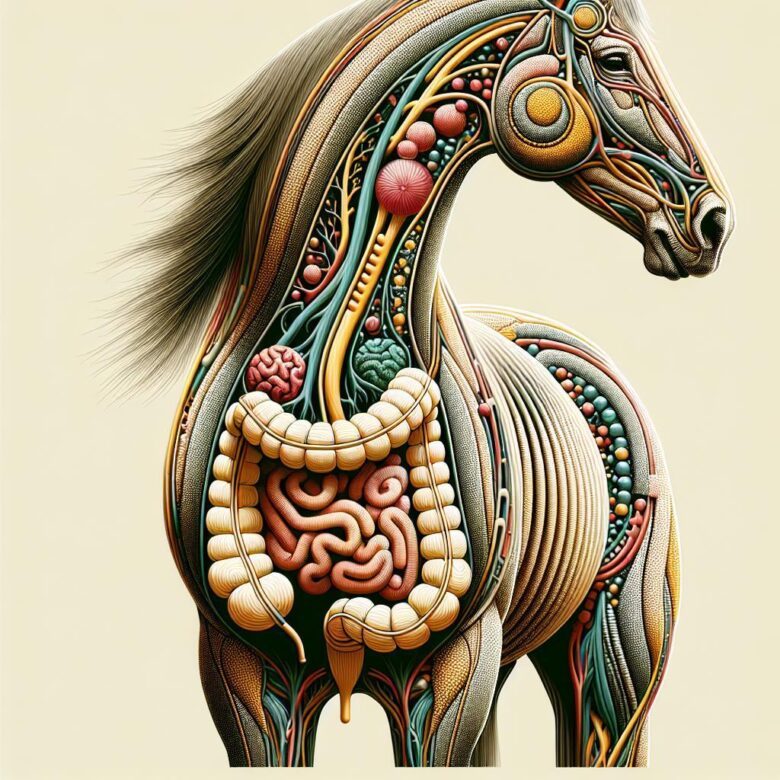
Equine digestive health depends on near-constant forage, steady routines, and low stress. Prevent ulcers with frequent hay, controlled grains, ample turnout, and watch for subtle appetite or attitude changes.

Long-distance trail riding demands a certified helmet, impact gloves, eye protection, armored jacket, knee/shin guards, and sturdy boots-plus a hydration pack and basic first-aid for remote miles.

Choose high-protein feeds by matching amino acids to workload, prioritizing quality forage, and verifying digestibility, NSC, and mineral balance; transition gradually and monitor weight, topline, and recovery.