By Jake Morrison | Published: January 20, 2026 | Updated: January 20, 2026
Long-distance trail riding is not a casual afternoon hack. When you are five miles from the nearest road, the weather changes, the horse spooks, or you take a fall, the gear you packed determines whether you walk home or call for help. I have led multi-day trail rides and managed emergency situations in places where cell service is a fantasy. The riders who handle crises well are not the lucky ones. They are the prepared ones.
This article covers the safety gear that belongs on every long-distance ride, why each item matters, and how to carry it without turning your horse into a pack mule. The list is based on real experience, not marketing catalogs.
The Non-Negotiables: What You Wear
Your body is the first piece of equipment to protect. Long-distance trail riding involves uneven terrain, variable weather, and the possibility of separation from your horse. What you wear is your first line of defense.
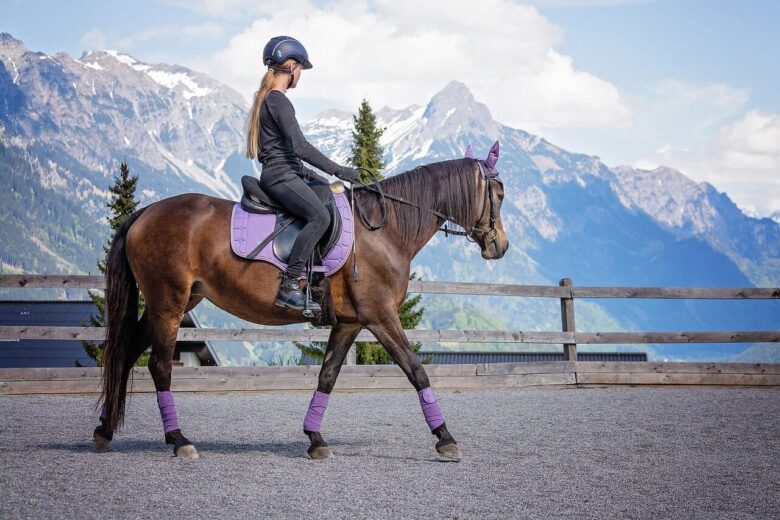
Certified Riding Helmet
No exceptions. Not for experienced riders. Not for calm horses. Not for short loops. A properly fitted, certified helmet is the single most effective piece of safety equipment you own. ASTM F1163 or SEI certification is the standard in North America. EN 1384 or PAS 015 for European riders. Replace your helmet after any impact, even if the shell looks intact. The foam liner compresses on impact and loses protective capacity.
I replace helmets every five years regardless of impact. UV exposure, sweat, and temperature cycling degrade the materials. A $300 helmet is cheaper than a traumatic brain injury.
Impact-Resistant Gloves
Trail riding involves gates, branches, rocks, and reins that can burn through bare hands if the horse pulls. Impact gloves with reinforced palms and knuckle protection prevent lacerations, rope burns, and broken fingers. They also improve grip in wet conditions. I prefer gloves with touch-screen compatible fingertips so I can use GPS or phone without removing them.
Eye Protection
Branches, dust, insects, and wind all threaten your vision at speed. Clear or lightly tinted safety glasses protect your eyes without distorting depth perception. Avoid dark sunglasses in wooded terrain — they reduce contrast and hide obstacles. Photochromic lenses that adjust to light conditions are ideal for mixed environments.
Armored Riding Jacket or Vest
A fall on rocky terrain at 10 miles per hour generates enough force to crack ribs, bruise kidneys, or fracture a collarbone. Armored jackets with CE-certified back protectors, shoulder pads, and elbow guards distribute impact energy. For hot climates, a standalone back protector vest worn under a breathable shirt provides core protection without overheating.
Look for armor that is flexible when warm but hardens on impact. It should not restrict your ability to mount, dismount, or reach water bottles.
Knee and Shin Guards
Tree branches, rocks, and the horse’s own legs can strike your lower limbs at speed. Lightweight knee and shin guards designed for equestrian or motocross use prevent serious contusions and fractures. They are especially valuable in dense terrain or when riding horses with narrow barrels that bring your legs close to obstacles.
Sturdy Riding Boots
Trail riding boots need ankle support, a heel to prevent foot slip-through, and a sole that grips wet rock and mud. Tall leather boots are traditional but impractical for stream crossings and muddy conditions. I prefer mid-height boots with waterproof membranes, aggressive tread, and a reinforced toe. Avoid steel-toe boots — they conduct cold and can trap your foot if the horse falls on it.
What the Horse Wears: Protection for Your Partner
Your horse is carrying you, your gear, and itself over difficult terrain. Protecting its legs and feet is as important as protecting your own head.
Protective Leg Boots
Brush boots or tendon boots protect the cannon bone, tendons, and fetlocks from strikes, brush, and rock impacts. For long-distance riding, choose boots with:
- Breathable lining: Prevents heat buildup that damages tendons
- Secure closures: Velcro or buckle systems that do not slip or collect debris
- Water resistance: Wet boots rub and cause sores. Quick-dry materials or neoprene that does not hold water are essential
Check boots every 5–10 miles for debris, slippage, or rub marks. A boot that shifts becomes a hazard rather than protection.
Hoof Protection
Shod horses need regular farrier care before long rides. Check for loose shoes, worn clinches, and cracks. Carry a hoof boot as backup — it can replace a lost shoe or protect a bruised foot until you reach help.
Barefoot horses need a conditioning period on similar terrain before long-distance work. Hoof boots like Cavallo, EasyCare, or Scoot Boots provide protection without the weight and constraint of metal shoes. Test fit and break in boots before the ride. A new boot on a 20-mile day is a recipe for rubs and gait changes.
Reflective and High-Visibility Gear
If your ride includes road crossings, dawn or dusk travel, or hunting season, visibility is safety. Reflective leg bands, breast collars, and rider vests make you visible to vehicles and hunters from hundreds of yards. Fluorescent orange is required in some hunting areas and universally recognized by hunters. Do not rely on earth-tone “natural” colors in low light.
What You Carry: The Trail Kit
Every long-distance rider needs a trail kit that fits in a saddle bag or pommel pack. The kit should address the most common problems: human injury, horse injury, equipment failure, and getting lost.
Human First Aid
- Adhesive bandages and gauze pads for cuts and abrasions
- Elastic wrap (Vetrap or Coban) for sprains and to hold dressings
- Antiseptic wipes and triple-antibiotic ointment
- Pain relief: ibuprofen or acetaminophen (know your allergies)
- Blister treatment: moleskin, blister pads, or duct tape
- Emergency whistle: louder and more reliable than voice
- Space blanket: compact, weighs ounces, prevents hypothermia
Horse First Aid
- Vetrap or self-adhesive bandage rolls for leg wraps
- Wound powder or antibiotic spray for minor cuts
- Hoof pick with brush attached
- Wire cutters or folding multi-tool with pliers
- Electrolyte paste for dehydration
- Bute or Banamine: only if prescribed by your vet and you know proper dosing
- Twitch or lip chain: for emergency restraint if the horse is injured and panicking
Navigation and Communication
- GPS device or smartphone with offline maps (Gaia GPS, AllTrails, or OnX Hunt)
- Physical map and compass as backup — batteries die, screens crack
- Portable battery pack or solar charger
- Emergency contact card with your name, horse’s name, medical info, and local emergency numbers
Repair Kit
- Leather punch and spare leather straps
- Zip ties: fix everything from broken reins to lost stirrup leathers
- Multi-tool with knife, screwdriver, and pliers
- Spare halter and lead rope: if you need to dismount and lead, you need control
- Duct tape: wrap a split hoof, secure a loose boot, patch a torn saddle pad
Hydration and Nutrition for the Ride
Dehydration and energy depletion are cumulative dangers on long rides. You may not feel thirsty or hungry until you are already impaired. Plan ahead.
Hydration System
Carry 2–3 liters of water for yourself on rides over 4 hours. A hydration pack with a drinking tube allows you to sip without stopping. For the horse, plan water stops every 6–8 miles in warm weather. Horses can drink 5–10 gallons per day in work. Do not assume streams are safe — giardia and leptospirosis are real risks. Carry a water filter or plan stops at known clean sources.
Electrolytes
Both you and your horse lose electrolytes through sweat. Human sports drinks work for riders. For horses, use equine-specific electrolyte paste or powder added to water at rest stops. Offer plain water first, then electrolyte water. Some horses refuse electrolyte water, so always provide both options.
Energy
Carry high-energy, compact food: energy bars, trail mix, jerky, or dried fruit. Avoid heavy meals that divert blood from muscles to digestion. For the horse, carry a small bag of hay pellets or soaked beet pulp for mid-ride energy on rides over 15 miles. Do not feed large grain meals during the ride — they increase colic risk and reduce endurance.
Weather and Emergency Preparedness
Layered Clothing
Mountain weather changes in minutes. A sunny 70-degree morning can become a 40-degree thunderstorm by afternoon. Carry:
- Lightweight rain jacket with hood
- Insulating layer: fleece or down vest that packs small
- Buff or neck gaiter: sun protection, dust filter, or warmth
- Spare socks: wet feet blister and lose feeling in stirrups
Emergency Shelter
If you are stranded by injury, weather, or darkness, you need protection. A lightweight tarp, bivy sack, or emergency space blanket provides enough shelter to survive an unexpected night. Know how to use it before you need it.
Fire Starting
Waterproof matches, a lighter, and fire starter cubes weigh almost nothing and can save your life in cold conditions. Practice fire starting in wet conditions before you rely on it.
Planning and Communication Before You Leave
Gear is only part of safety. Preparation is the rest.
Tell Someone Your Plan
Leave a written itinerary with a reliable contact: your route, expected return time, emergency numbers, and your last known location if you deviate. If you are not back within a reasonable window, they should call for help. Do not rely on cell service to check in.
Know Your Route
Study maps before you leave. Identify water sources, bailout points, road access, and emergency vet locations. Mark them on your GPS and physical map. A planned route is safer than wandering.
Check Weather
Check the forecast the night before and the morning of your ride. Cancel or modify plans for severe weather. No trail is worth a lightning strike or hypothermia.
Ride With a Buddy
Solo riding has its place, but long-distance trail riding is safer with a partner. If one horse is injured, one rider is hurt, or equipment fails, two people solve problems that one cannot. If you must ride alone, carry more gear and check in more frequently.
FAQ
How much weight can a horse carry on a long-distance ride?
The general rule is 15–20 percent of the horse’s body weight including rider and gear. For a 500 kg horse, that is 75–100 kg total. On long-distance rides with significant elevation change, stay closer to 15 percent. An overloaded horse fatigues faster, loses coordination, and is more prone to injury. Pack light. Carry only what you need.
What is the most commonly forgotten piece of safety gear?
Emergency contact information. Riders carry phones, GPS, and first aid kits but forget to leave their plan with someone who can act if they do not return. The second most forgotten item is a spare halter and lead rope — essential if you need to dismount and lead an injured horse.
Can I use regular hiking gear instead of equestrian-specific gear?
Some items overlap. A hiking hydration pack works for riders. Hiking boots do not — they lack the heel necessary for safe stirrup use and the ankle support needed for riding posture. Hiking helmets are not designed for equestrian impact angles. Use equestrian-certified gear for anything that protects you from falling or from the horse itself.
How do I train my horse for long-distance trail riding?
Gradually increase distance and terrain difficulty over 8–12 weeks. Start with 5-mile rides on flat ground, then add hills, water crossings, and rough terrain. Condition the horse’s feet, legs, and cardiovascular system before asking for 20-mile days. A fit horse is a safer horse — it has the reserves to handle surprises without panicking or breaking down. Proper conditioning also requires the right fuel, so make sure your horse is getting adequate nutrition for the workload. Our guide on choosing high-protein feed for performance horses covers how to match nutrition to training demands.
Final Thoughts
Long-distance trail riding is one of the most rewarding ways to experience horses and landscape together. It is also one of the most unforgiving if you are unprepared. The gear list in this article is not about fear. It is about freedom. The better prepared you are, the more confidently you can explore, the farther you can go, and the more likely you are to bring yourself and your horse home safely.
Pack your kit. Check your gear. Tell someone your plan. Then ride.
Disclaimer: The content on this page is for informational purposes only and is not a substitute for professional riding instruction, wilderness first aid training, or veterinary advice. Always assess your skill level, your horse’s fitness, and trail conditions before undertaking long-distance rides.